Ask anyone what school is for, and they’ll usually say: to learn. But what if we expanded our definition of learning? What if we started seeing communication, self-regulation, curiosity, independence, even joy as essential outcomes too?
In Alternative Provision, we have both the privilege and the responsibility to do exactly that.
We don’t just teach subjects. We teach the whole person. Many of our learners arrive at AP Education carrying life experiences that don’t slot neatly into behaviour logs or progress trackers. They may have faced disrupted schooling, unmet needs, health challenges, or exclusion. Some have been misunderstood; others have simply fallen through the cracks of a system that wasn’t built for them.
When these learners arrive with us, their nervous systems are often already in a state of high alert. Before we even open a book, we’re meeting children and young people who are stuck in survival mode fight, flight, or freeze. So yes, literacy and numeracy are important. But for some, the first step isn’t phonics or fractions. It’s entering the room. Making eye contact. Sitting down at a table. Staying present long enough to play a game. Saying, “I’ll try.”
That’s learning too.
This is why Learning Isn’t Just Academic – Enrichment and Holistic Outcomes in Alternative Provision must be seen as not only valid, but vital. When we broaden our view of success, we also broaden what’s possible for our learners.
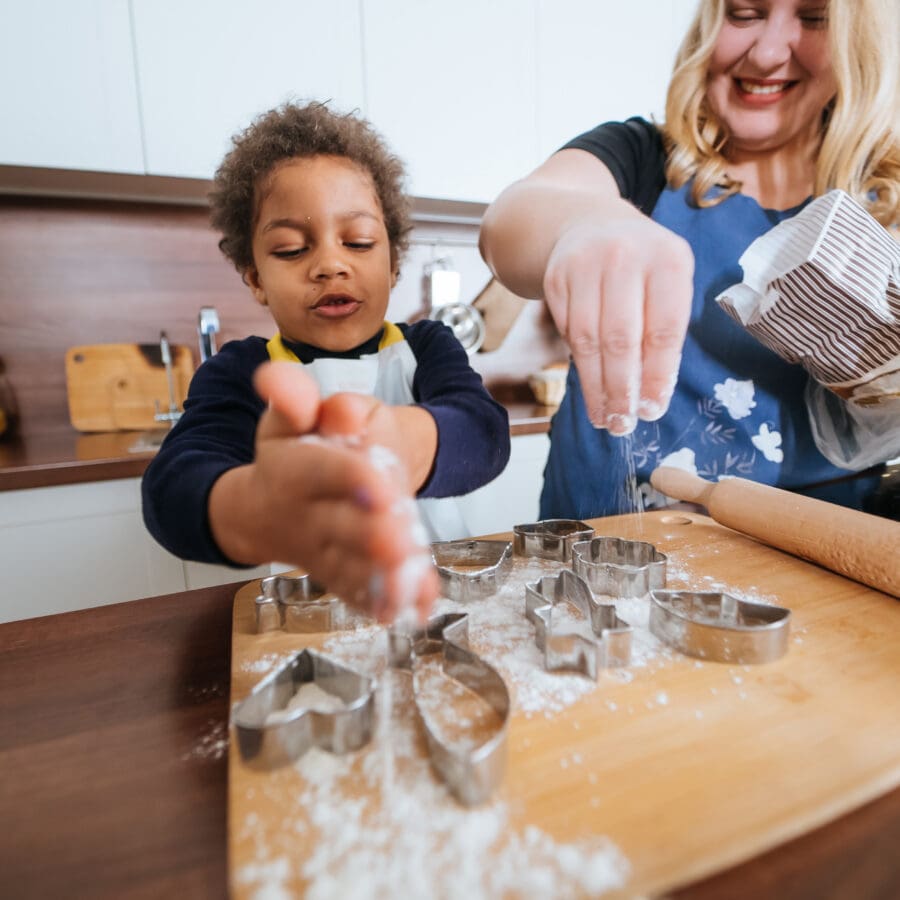
Let’s talk about enrichment, not as a treat or reward for good behaviour, but as an integral part of the curriculum. When we say “enrichment,” we mean gardening, cooking, outdoor learning, horse care, Lego therapy, music, art, creative writing, and physical expression. We mean activities that help learners reconnect with themselves, with others, and with the world around them.
These aren’t extras or nice-to-haves. They’re essentials. They’re the lifeblood of engagement and the building blocks of trust.
Enrichment helps our learners regulate their emotions, practise decision-making, build confidence, and develop real-world skills. It allows them to explore strengths they didn’t know they had. We’ve seen it time and again: a learner who won’t speak in a structured lesson begins to narrate their Lego build. Another who can’t focus in a chair finds deep concentration when weighing out feed for a horse. These aren’t “small wins.” These are major breakthroughs.
Progress looks different in our setting and that’s a strength, not a weakness. If your starting point is school refusal, selective mutism, or explosive behaviour, then success may not look like a perfect worksheet. It might look like a smile. A question. A willingness to stay in the room. A moment of pride in a completed task.
At AP Education, we measure progress on a human scale. And because we value holistic development, we intentionally design systems to notice and celebrate these moments. They matter. They are data too, just a different kind. They tell us something real about a learner’s growth.
Of course, we still aim for academic progress. We still support every learner to build their literacy and numeracy skills. But we recognise that emotional regulation, social skills, and confidence are not “soft outcomes.” They are the foundation that enables academic success to take root.
That’s why we’re evolving how we capture these outcomes not just to satisfy external accountability, but to reflect what we truly value. Because if we don’t record and celebrate holistic growth, we risk sending a message that it doesn’t count.
Our tutors are at the heart of this work. They are not simply deliverers of content; they are facilitators of safety, trust, and growth. They understand how to adapt the national curriculum to meet the learner in front of them. How to integrate emotional and social goals into every session. How to tune into what a learner might be communicating through their actions or body language.
They know that a “good” session isn’t defined by output on paper, it’s defined by connection, engagement, and emotional safety. Sometimes the most impactful lesson doesn’t involve a pen at all. It might involve a conversation, a shared joke, or a moment of calm after a challenging day.
They also know how to celebrate progress when it comes dressed in different clothes. Because our definition of learning includes feeling heard. Feeling capable. Feeling proud.
Alternative Provision isn’t about lowering expectations, it’s about changing the lens. We keep our standards high, but we define success more broadly and humanely. We meet learners where they are, and we walk with them as they grow.
We keep asking: “What does this learner need in order to thrive?” And we keep building from there.
Thanks for reading.

Head of Education
Share this article: